28 May 2026
WhatsApp automations for hotels: what works, what annoys
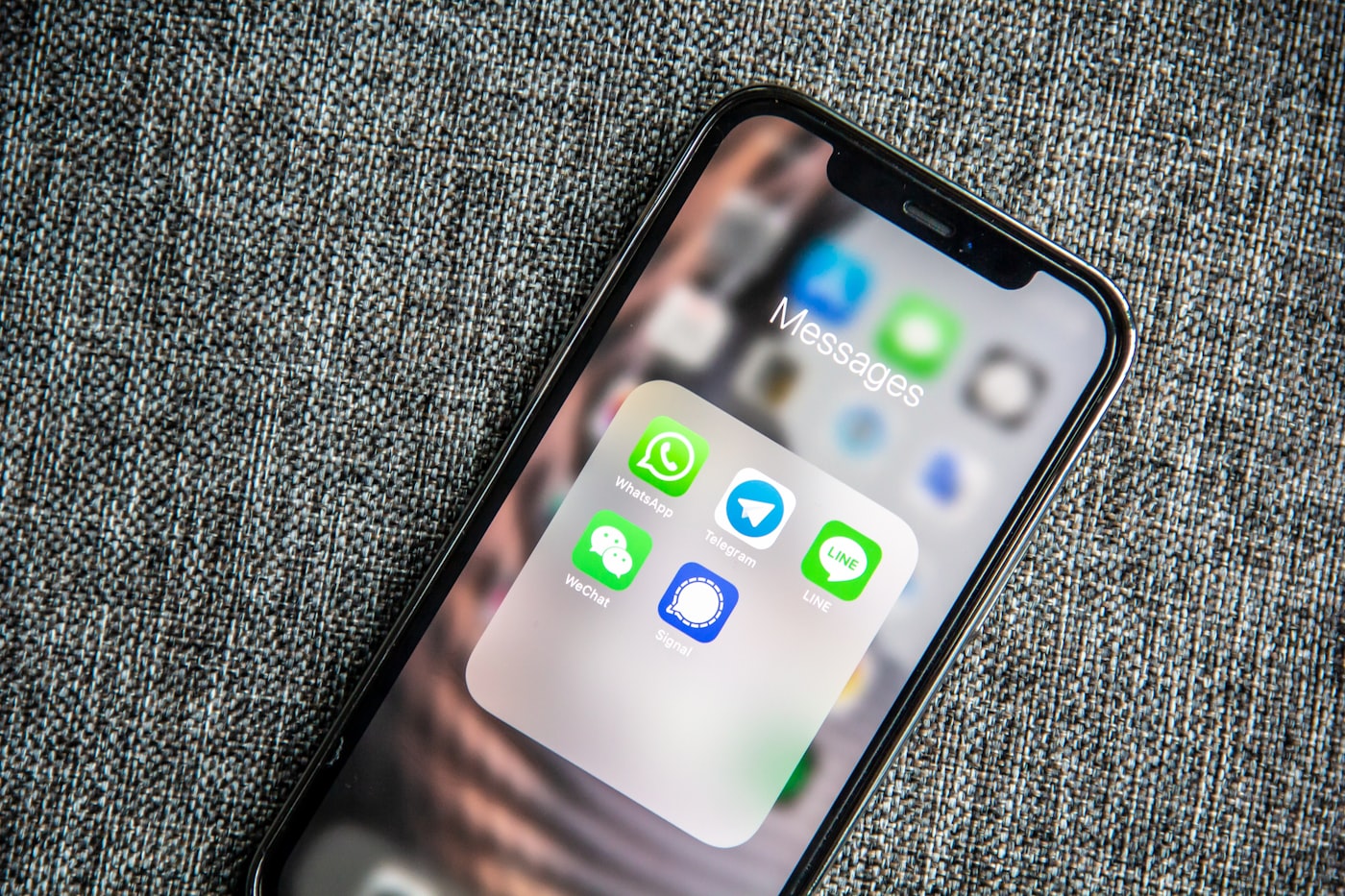
WhatsApp is the highest-open-rate channel in guest messaging by a wide margin. Almost every European traveller under 55 opens a WhatsApp within five minutes of receiving it. Almost every European traveller under 55 will also block a number that abuses that channel. This piece is a straight guide to the automations that improve the guest experience and the ones that damage it.
Eight automations that work.
- Booking confirmation. Sent within one minute of the reservation being created, with the property name, the dates, the room, the total price and a link to add the stay to their phone calendar. Not a marketing message; a receipt.
- Pre-arrival practical info, 24 hours out. Door code (if smart lock) or check-in window, parking instructions, Wi-Fi password, breakfast times. One message, five useful facts, no upsell.
- Late-arrival check. If check-in typically closes at 22:00 and arrival is not yet complete by 20:00, a single message: “Still on your way? Reception is open until 22:00 or we can arrange late check-in.”
- Weather-based nudge. Only if the destination is weather-sensitive (beach, ski, hiking). One message the day before arrival: “Forecast is 22C and sunny; pool is open until 20:00.” Do not send this if the forecast is bad; nobody wants an automation to tell them their holiday will be rained on.
- Mid-stay check on day 2 of stays >3 nights. “Hi Anna, hope Room 204 is comfortable. Anything we can help with?” Skip this for 1- and 2-night stays; the guest is a stranger.
- Late-checkout offer at 09:00 on departure day. Only if a late-checkout slot is available (check housekeeping board). If not available, do not send.
- Departure thank-you at check-out. One message, one link to leave a review on the guest's booking channel (Booking, Google, TripAdvisor), no upsell.
- Review request, 24 hours after check-out. Sent once. Not sent twice, ever. The single most damaging thing you can do to your review score is to nag.
Three automations that annoy.
- Repeated review requests. If the guest did not respond to the first review request, they are not going to respond to the second. Sending a second request drops your response rate on future stays.
- Upsell blasts during the stay. Especially bad: the “book a spa treatment” message on Monday morning, the “dinner at our restaurant” message on Monday evening, the “airport transfer” message on Tuesday morning. Bundle upsells into the pre-arrival message where they are welcome, not into the stay where they feel like interruption.
- Automated apologies. If something goes wrong, a human should apologise. An automation cannot read the situation and it will apologise for things the guest did not experience as a problem, priming them to complain.
The template question.
WhatsApp Business requires pre-approved templates for the first message in a conversation window, and after 24 hours of inactivity. Templates are simple, well-formed, and not creative. Do not try to make them feel human by cramming emoji or exclamation marks; make them feel useful. The best-performing templates in our data are short, factual and signed with a first name (real or attributed to a role — “Ana, reception”).
Multi-language: harder than it looks.
Machine translation of outbound messages is a false economy. It produces uncanny-valley German and idiomatic-but-wrong Portuguese. Instead, maintain templates in the languages your top-five guest markets speak, and default to English for everything else. Guest Talk auto-selects the template language based on the guest's country of residence from the OTA booking; if no matching template exists, we fall back to English rather than translate.